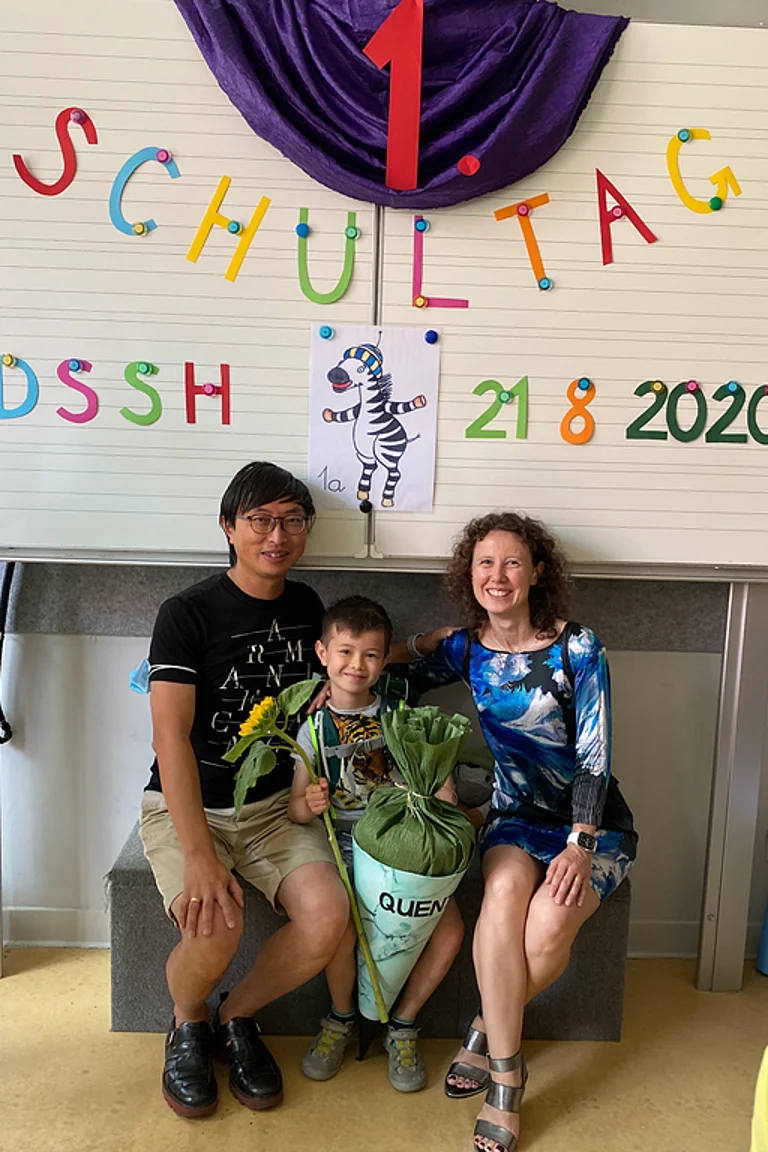
As part of our Future Pathways interview series, parents of Deutsche Schule Shanghai graduates share their perspectives on education, personal development, and the academic and career paths their children have pursued after graduation. They reflect on the experiences that have shaped their children during their time at DSS, how the school has prepared them for their next academic and professional steps, and why they consciously chose the German education pathway in an international environment.
Two Cultures, One Educational Path
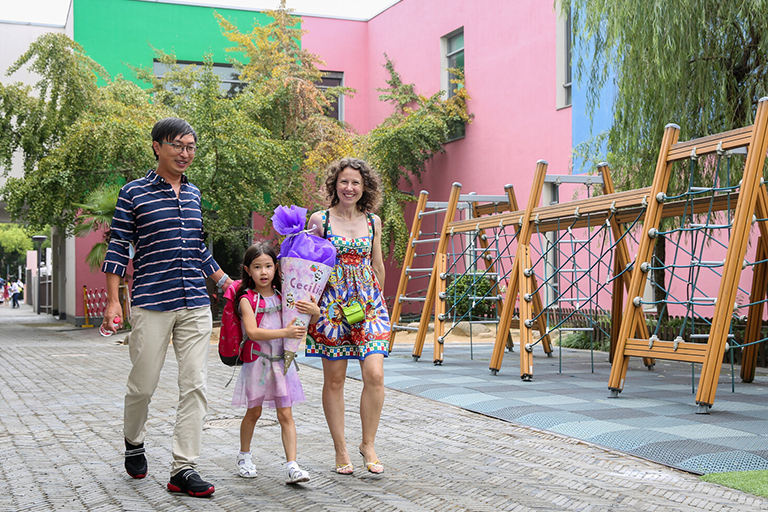
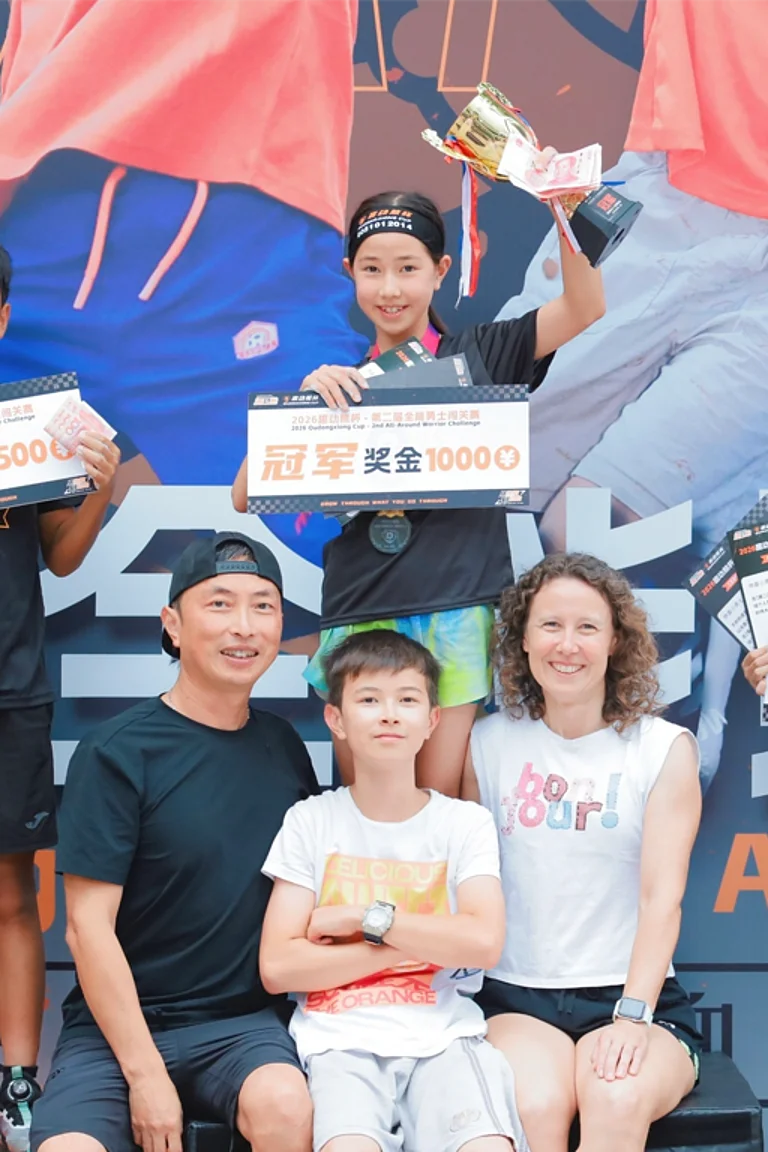
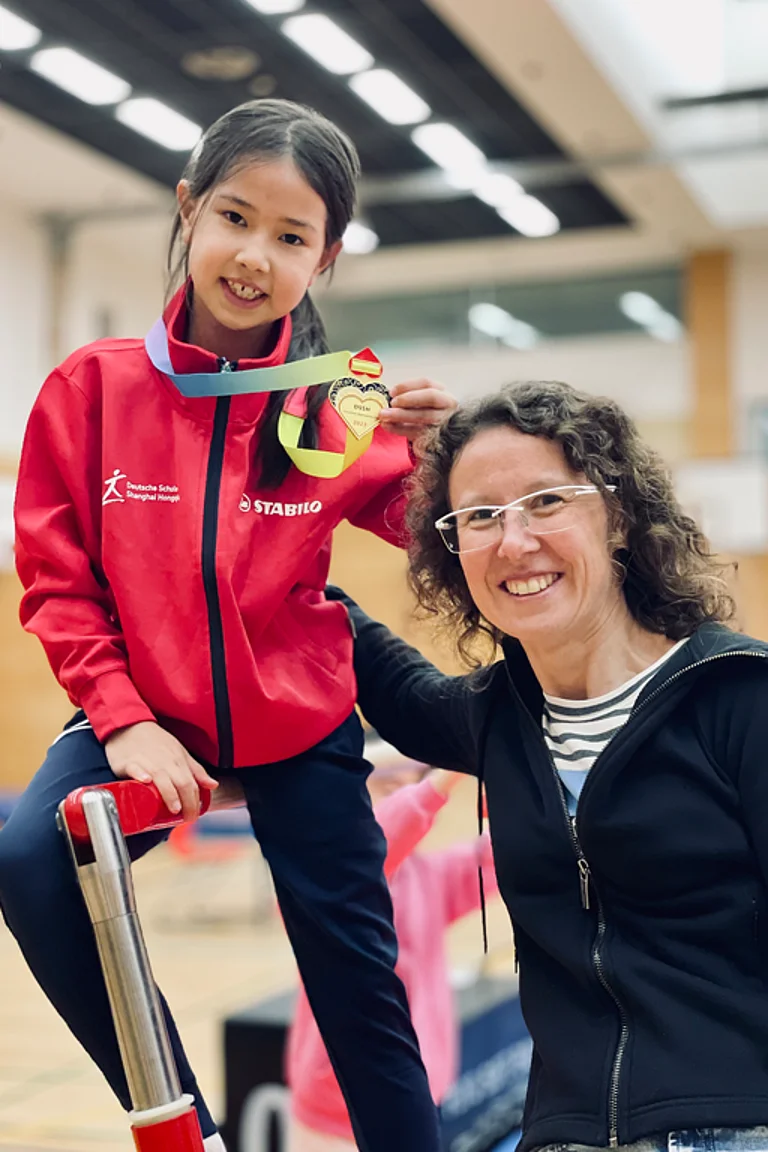
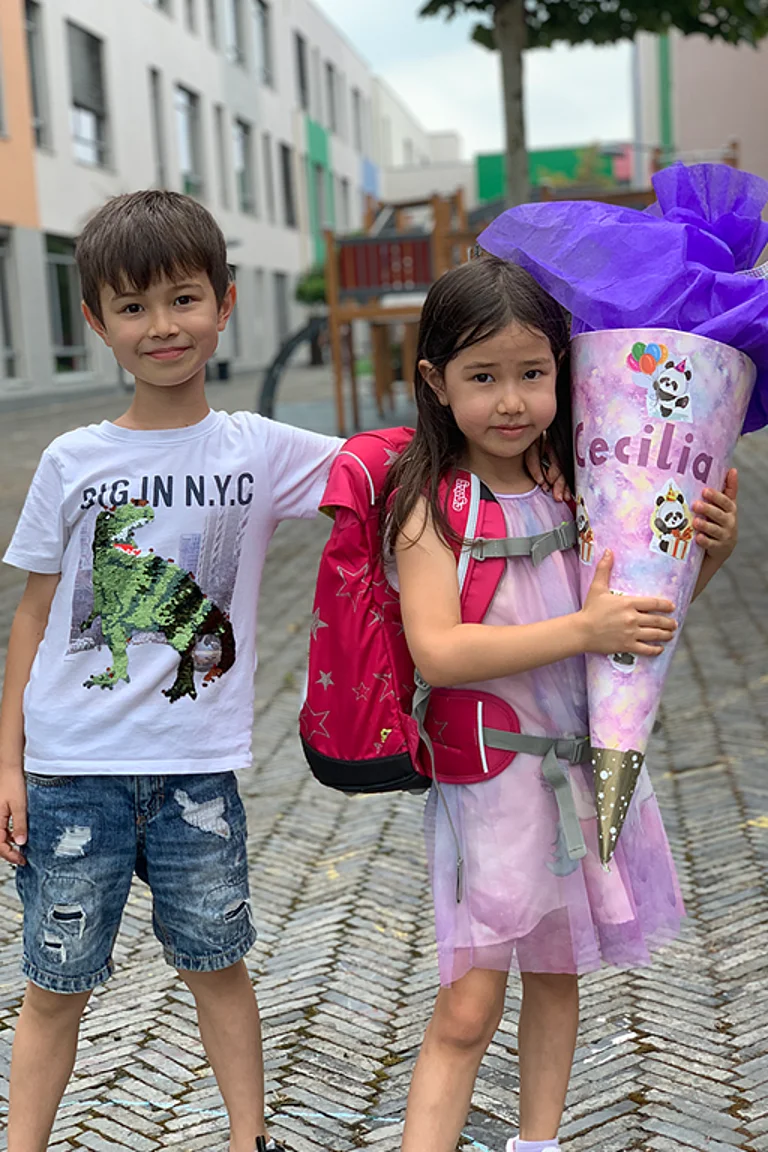
How can a family navigate different educational traditions? The Diao family combines German and Chinese cultural perspectives, with both children having attended the German School Shanghai for around ten years.
A Strong Foundation at DSS: Quality Education and Individual Support
From my own experience, I know that the German education system provides my children with a solid foundation of knowledge for their future. At DSS, students are recognised as individuals and supported according to their needs, whether that means receiving additional help or being challenged with more demanding tasks.
DSS teachers have completed their teacher training and passed the state examinations required in Germany. They also participate in ongoing professional development, ensuring that their teaching methods remain up to date. The school invests not only in qualified teachers but also in learning materials and facilities, providing students with a welcoming environment equipped with modern technology.
Choosing German Education: Room to Grow and Explore
Having grown up in the German education system myself and experienced it as an excellent form of education, I wanted to give my children the same opportunity.
The Chinese and German education systems take different approaches. The German system places great emphasis on independent thinking, self-directed learning and the development of individual interests. It gives children a great deal of freedom to explore their strengths and discover what they are passionate about. I believe this freedom is particularly important at a stage in life when children are naturally curious and eager to try new things.
The two systems have different priorities, which can be reflected in the differing academic profiles of students e.g. at the end of primary school. From my perspective, these differences gradually even out over time.
My husband studied in both China and Germany, giving him first-hand experience of both systems. He observed that students in Germany are often very independent in their work without necessarily having less subject knowledge.
The German Abitur also offers no disadvantages compared with the IB. It is widely recognised and allows students to apply to universities in almost every country in the world. When I was studying, I wanted to spend a year abroad in Canada and only needed to provide proof of sufficient English proficiency. My Abitur was accepted without any difficulty.
Rethinking Achievement: Different Paths in Education
My husband initially found it unusual that the children had so little homework and that written exams and tests were not held more frequently. However, as their school reports consistently showed very good results, he gradually developed confidence in this different approach.
The German education pathway is neither better nor worse than the Chinese one – it is simply different, and that is something we need to remind ourselves of from time to time.
Academic achievement is, of course, important because it opens up opportunities for the future. With the German approach, these achievements may not always be immediately apparent and sometimes take a little longer to emerge. In my view, however, they are just as significant.
Supporting Families: The Role of Parent Engagement
The parent seminar series offers talks that provide parents with practical advice and ideas on how best to support their children’s learning and personal development – from kindergarten through secondary school.
In an international community like DSS, parents face particular cultural challenges and questions, for example when it comes to raising children in multilingual families. To understand what information and support parents need most, we regularly conduct surveys and exchange ideas with the Parent Council. Based on this feedback, we select relevant topics and invite experts to share their knowledge and experience with our parent community.
Previous sessions have covered a wide range of subjects, including teaching methods in primary school, supporting children through puberty, first aid, the use of AI in the classroom, and language development in multilingual families. The latter, for example, was led by a speech and language therapist. We have also organised numerous other sessions on topics relating to parenting, education and child development.
To reach as many parents as possible, we vary the language of the talks between German, English and Chinese, depending on the topic and the speakers.
The continued interest shows that personal exchange and expert guidance remain valuable, even in an age shaped by digital media and AI. With up to 30 participants per session, demand remains encouragingly strong. We therefore plan to continue the series, helping parents support their children as they navigate their individual educational journeys and paths through life.