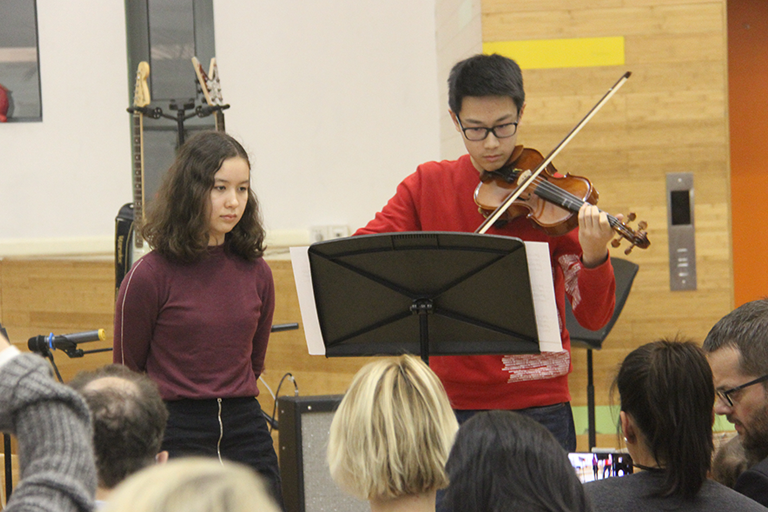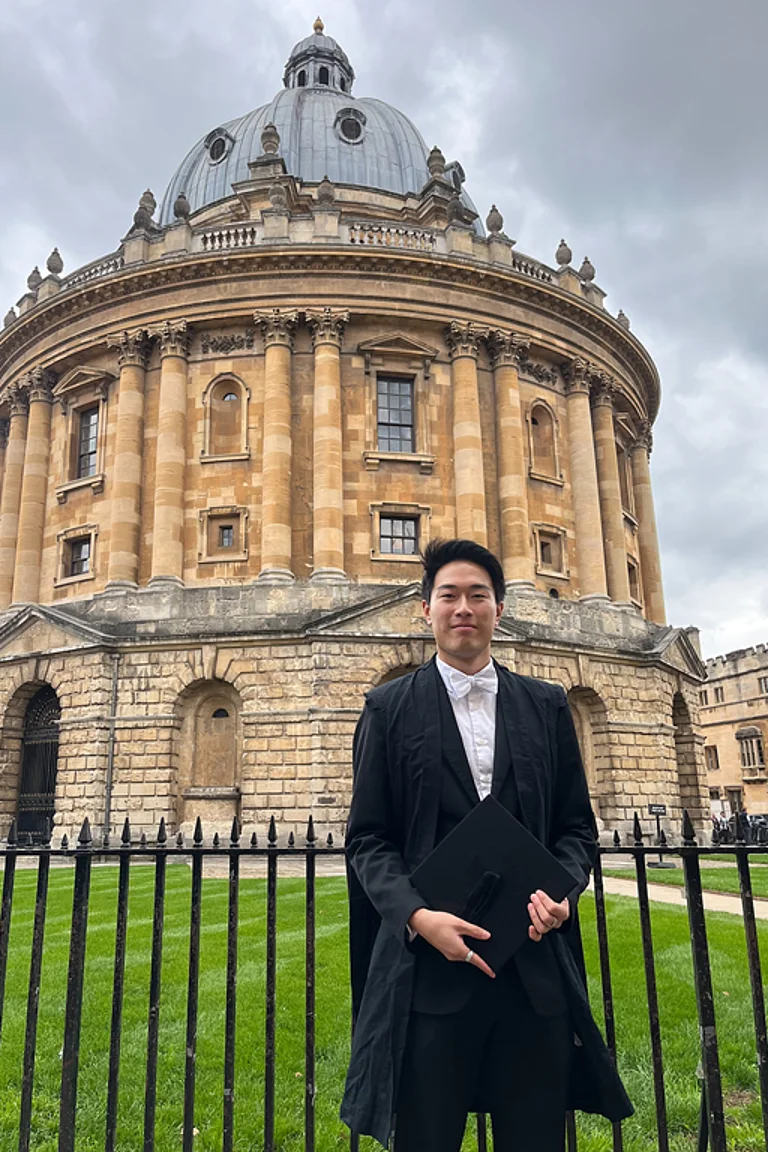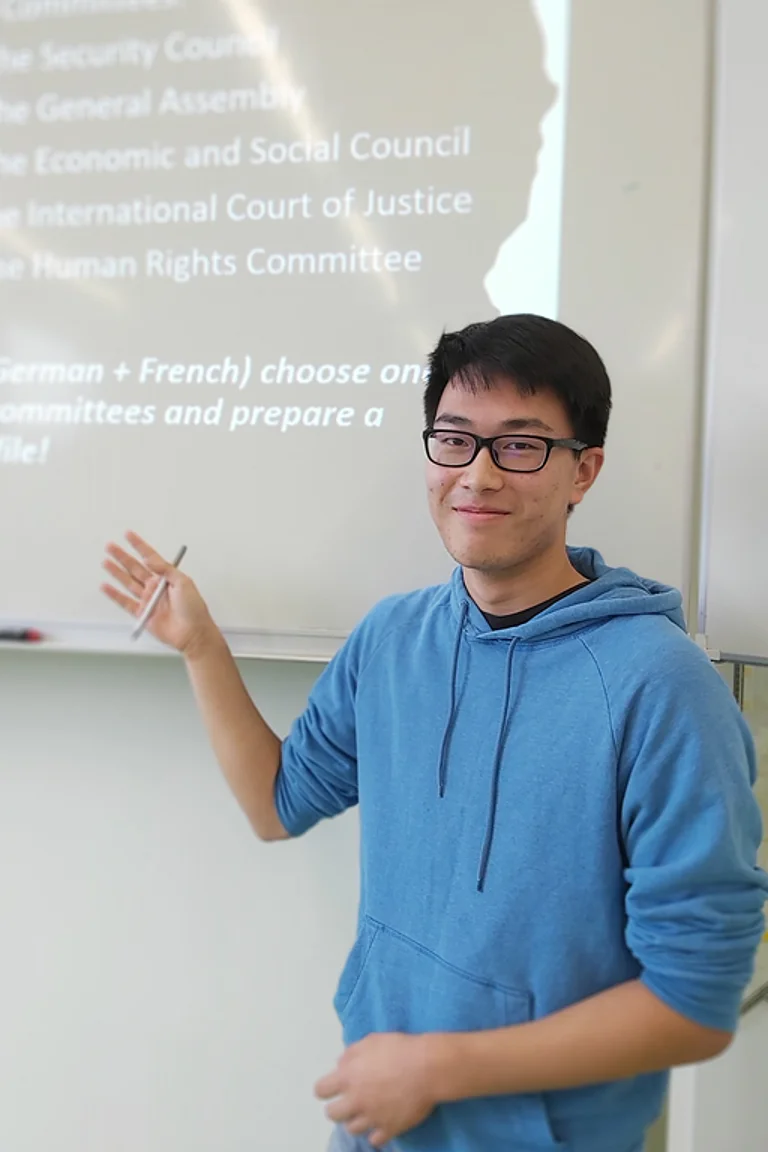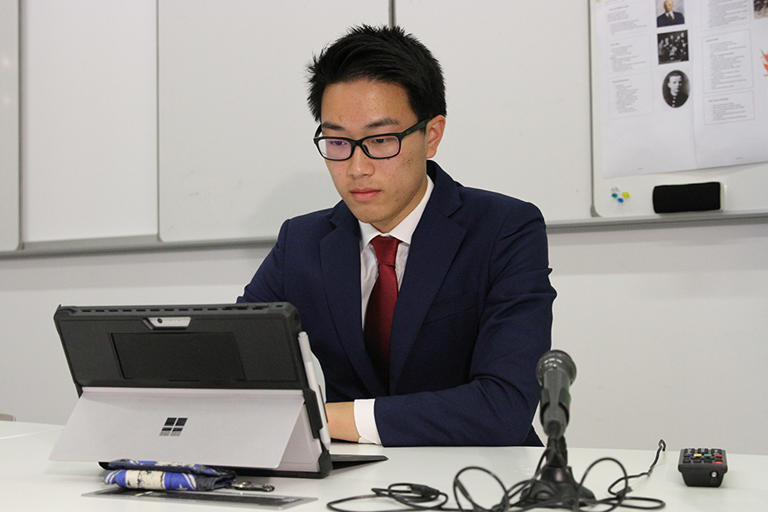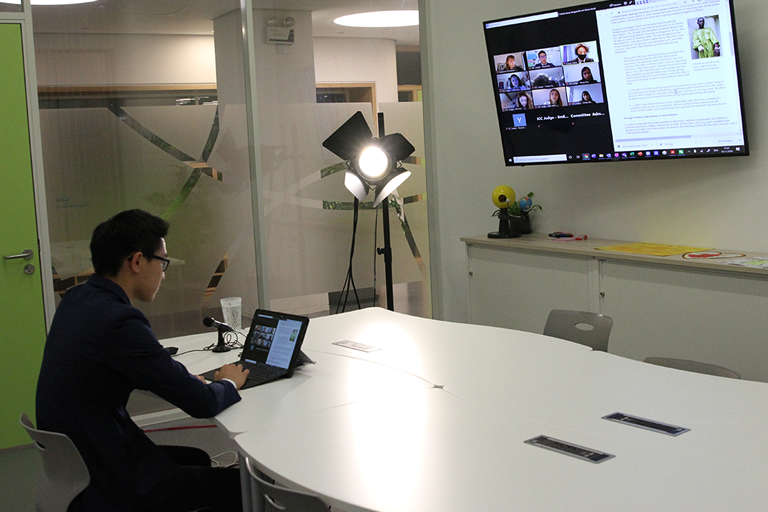
What comes after graduating from German School Shanghai? In our new Alumni in Focus series, former DSS students share their journeys through higher education and their careers, reflecting on important decisions and experiences that have shaped their paths. In this first feature, we meet Maximilian Lin, a graduate who attended DSS from 2009 to 2022, first at the Pudong Campus and later at the Yangpu Campus. After graduating in 2022, he went on to study Biomedical Sciences at the University of Oxford, completing his bachelor’s degree in 2025. He is now nearing the end of his master’s degree in Global Health Science and Epidemiology, with his next career steps already lined up.
My Journey at Oxford
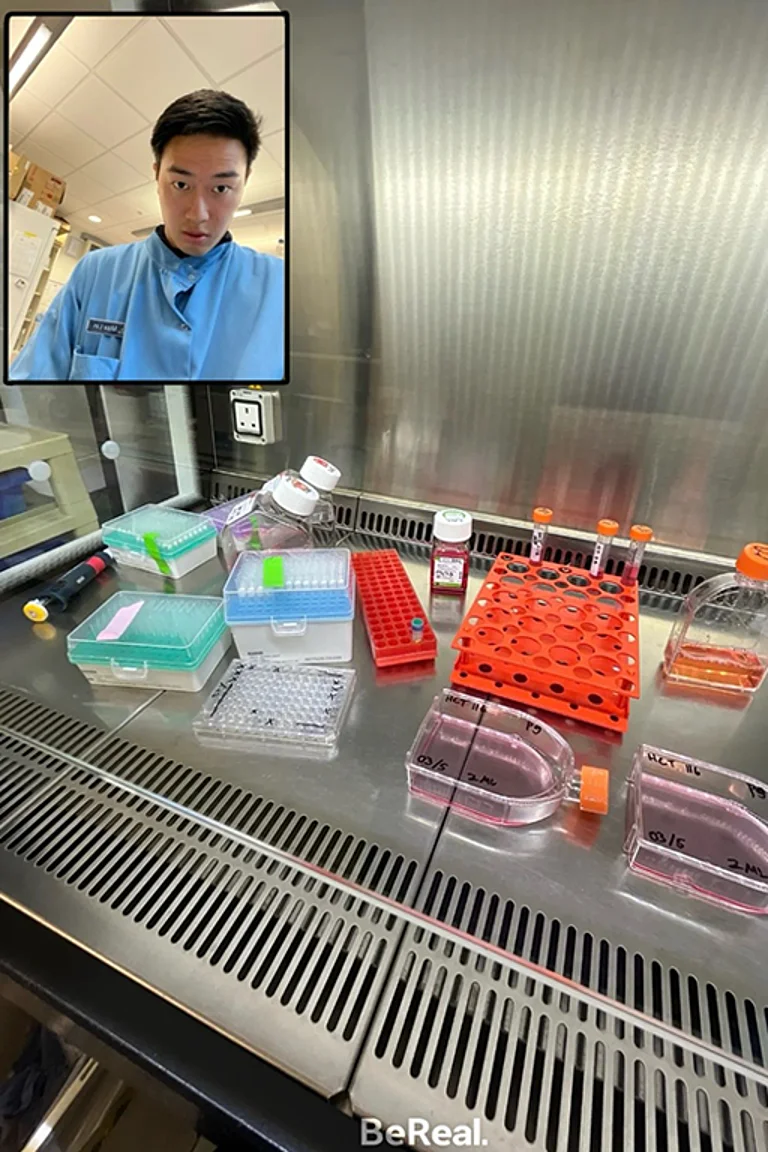
From 2022 to 2025, I studied for a BA in Biomedical Sciences (Cell and Systems Biology) at Oxford, focusing on cancer biology and translational neuroscience. I chose this field because I had always been interested in medical research but never wanted to become a doctor myself. While still at school, I gained my first laboratory experience at research institutes and universities in Shanghai, working on topics such as lung cancer research, cardiac regeneration and the development of artificial liver cells. These experiences reinforced my feeling that this was the right degree for me. I wanted to contribute to developing new treatments for serious diseases.
I could only find a degree with such a specific focus on molecular human biology and medical research in the UK, and Oxford stood out as an internationally renowned university. Several aspects of the programme particularly appealed to me: from the second year onwards, I could tailor my studies almost entirely around elective modules; the third year included an integrated laboratory research project; and weekly tutorials offered the opportunity to discuss topics in depth with professors in small groups of just two to four students, going well beyond the lecture material. Student life was another major draw, with its many societies, sports teams and the distinctive college system, which reminded me a little of the houses in Harry Potter. The international community and diversity of academic interests also played an important part in my decision.
After completing my bachelor’s degree, I wanted to explore the more applied aspects of biomedicine and their impact at the population level. I am now in the final stage of my one-year MSc in Global Health Science and Epidemiology, which I also chose to pursue at Oxford. My master’s thesis is being conducted in collaboration with the World Health Organization (WHO) and focuses on overweight among schoolchildren. After graduating, I will complete an internship at the Executive Office of the Secretary-General of the United Nations. Following this, I will return to the United Kingdom to begin my professional career.
Getting into Oxford
I started exploring potential degree programmes and researching their application processes at an early stage. It was particularly important to me to gain practical experience in my chosen field beyond the classroom. I therefore approached laboratories in Shanghai directly to enquire about internship opportunities. These experiences not only deepened my interest but also gave me concrete examples to draw on in my personal statement for Oxford.
To prepare for the UK university application process through UCAS, I watched numerous videos and read accounts from other applicants. I also contacted the relevant teachers at German School Shanghai well in advance to explain the process, as the school needs to submit predicted grades and a reference as part of the application. Oxford also often requires applicants to sit an admissions test, so it is important to register and prepare early. Past papers, videos and other applicants’ experiences can be valuable resources.
Applicants who pass the initial selection stage are invited to an interview. These interviews take the form of academic discussions centred on a topic or problem in the chosen subject area. The aim is to understand how applicants approach a question, respond to new information and incorporate it into their reasoning in a structured way. Preparing for these interviews is therefore particularly important. I contacted various programmes and students to arrange practice interviews, or “mock interviews”, before the actual selection process.
Start Early. Aim High.
My advice to current students is to start preparing early and research the different application processes thoroughly. Requirements can vary considerably depending on the university and country. Expectations for individual application components, such as personal statements, can also differ significantly. Reading other applicants’ experiences and looking at examples online can be very helpful. Above all, I would encourage students to have the confidence to apply rather than ruling themselves out before they even begin. You are often better prepared than you think – sometimes all it takes is a little courage to actually submit the application.
To get off to a good start at university, I also recommend trying out different learning methods while still at school and figuring out which approaches work best for you. There are many effective ways to learn new material, but no single method works equally well for everyone. Understanding your own learning needs, developing a thorough grasp of what you study at school and being able to critically assess information are, in my opinion, essential foundations for a successful transition to university. It also helps to have realistic expectations of university life and to be willing to adapt to different situations and new challenges.
How DSS Shaped My Path
My teachers at DSS were very supportive throughout the application process and invested a great deal of time in helping me understand the requirements and expectations for the reference letter. I am very grateful for their support.
What prepared me particularly well for the Oxford interviews, however, was the strong culture of discussion at German School Shanghai and the emphasis on questioning and analysing content critically across all subjects. This gave me the confidence to approach the interviews and apply concepts I had learned flexibly and quickly to unfamiliar questions. I was also used to expressing my thoughts clearly and in a structured way, and to explaining my reasoning in a way others could follow, even when I was unsure of the answer.
My teachers also supported me enthusiastically with projects and initiatives beyond the classroom. These included my application to the German Student Academy, participation in the German Biology Olympiad and independently developing an in-depth dossier on molecular biology that went beyond the school curriculum. I greatly appreciate that my teachers encouraged and supported these additional interests and initiatives, giving me the opportunity to explore my academic interests further.
Thank you for sharing your valuable insights and experiences with us. We wish you continued success and all the very best for the future!